3D printing
Threads and Fasteners in 3D Printed Parts: Inserts, Nuts and Printed Threads
How to join printed parts with screws that hold: self-tapping holes, captive nuts, heat-set inserts and printed threads compared.
MBy MeriForge team
Practical guides on CAD modelling, file formats, 3D printing and manufacturing, written by the MeriForge team.
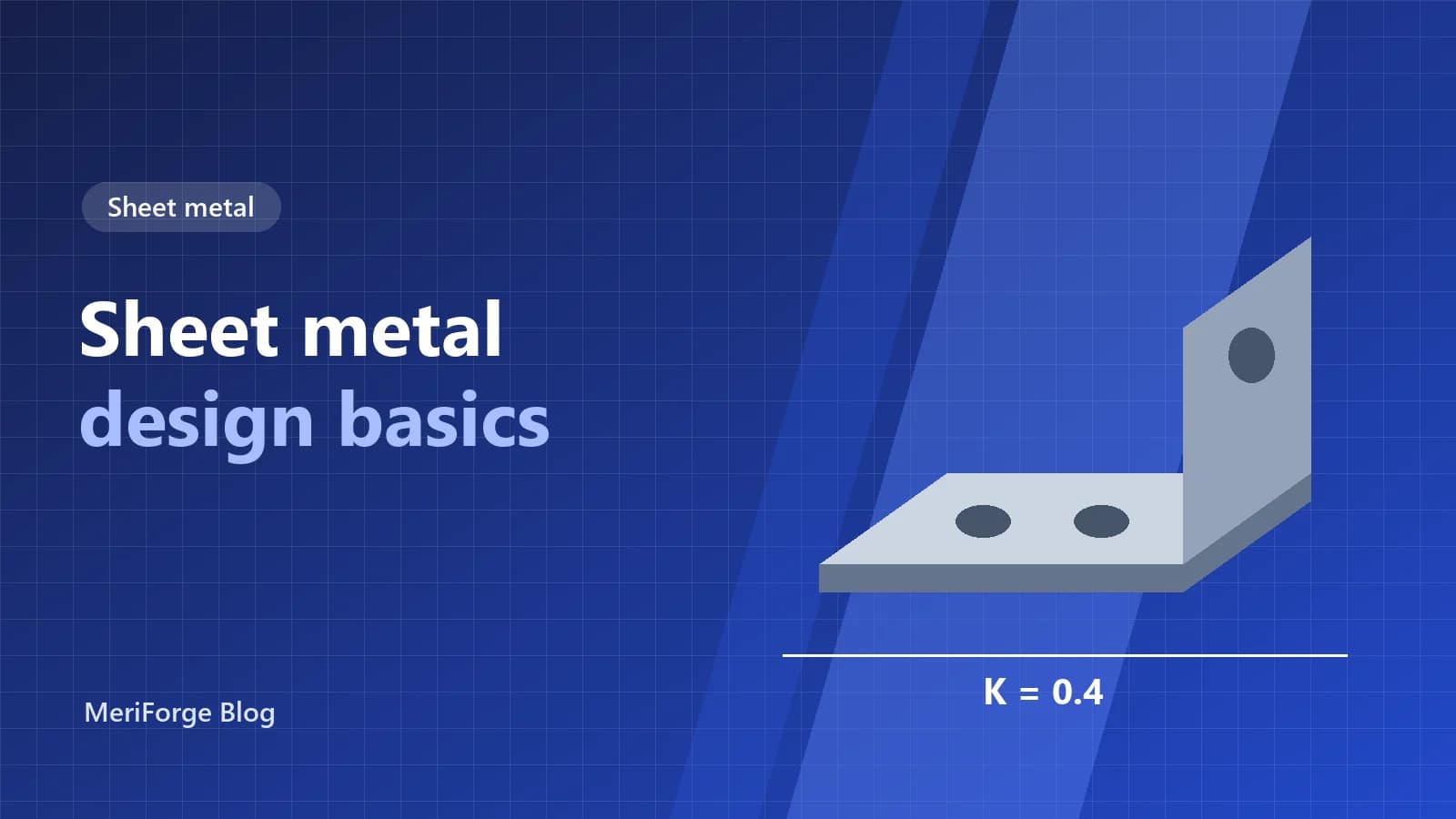 Sheet metalSheet Metal Design Basics: Bend Radius, K-Factor and Flat PatternsThe essential rules for designing bent sheet metal parts that a fabricator can actually make, from bend radius to hole placement.MBy MeriForge team
How to join printed parts with screws that hold: self-tapping holes, captive nuts, heat-set inserts and printed threads compared.
MBy MeriForge team
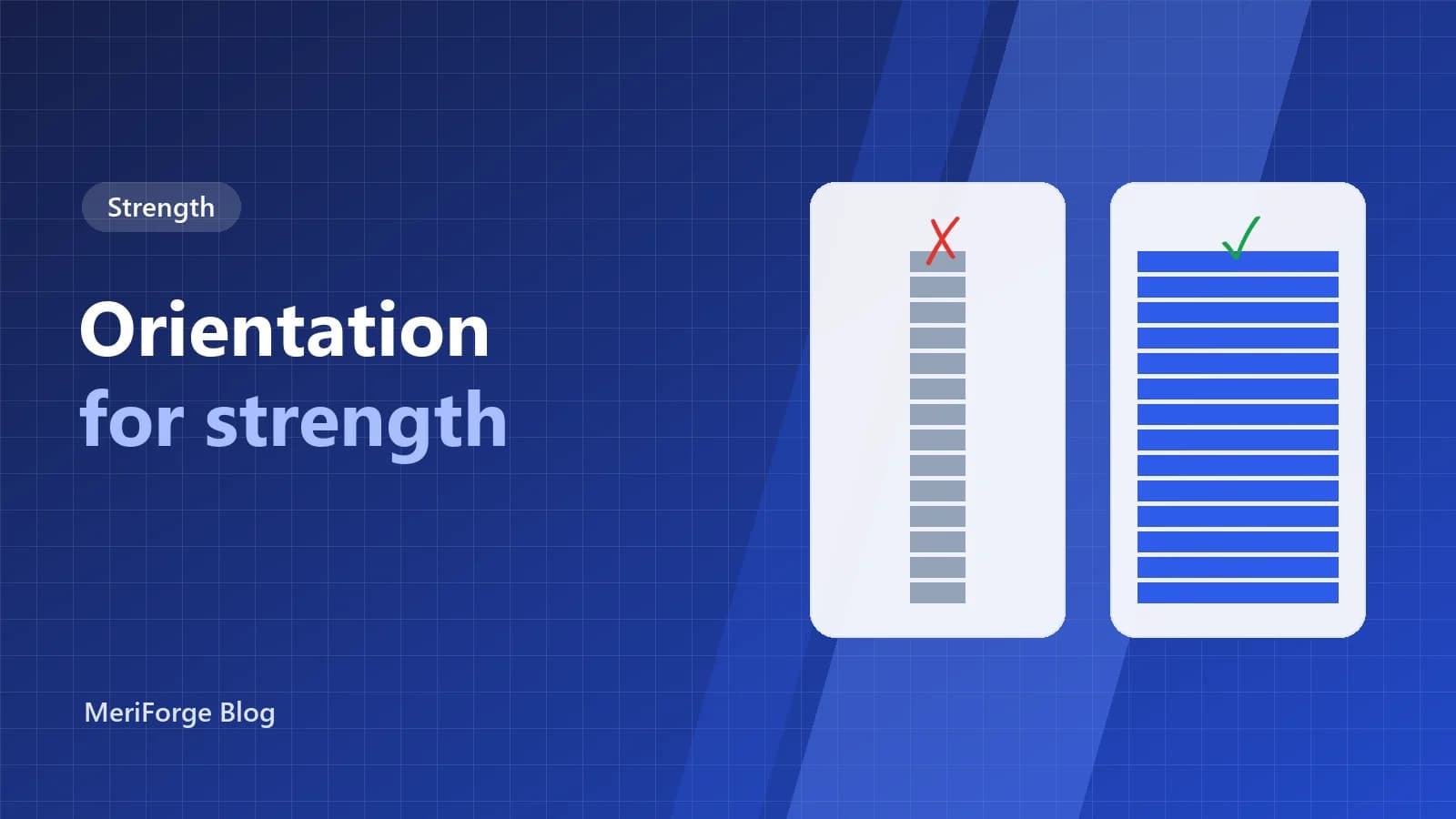
FDM parts are weakest between layers. Choosing the right orientation can make the same part several times stronger, with no extra material.
MBy MeriForge team
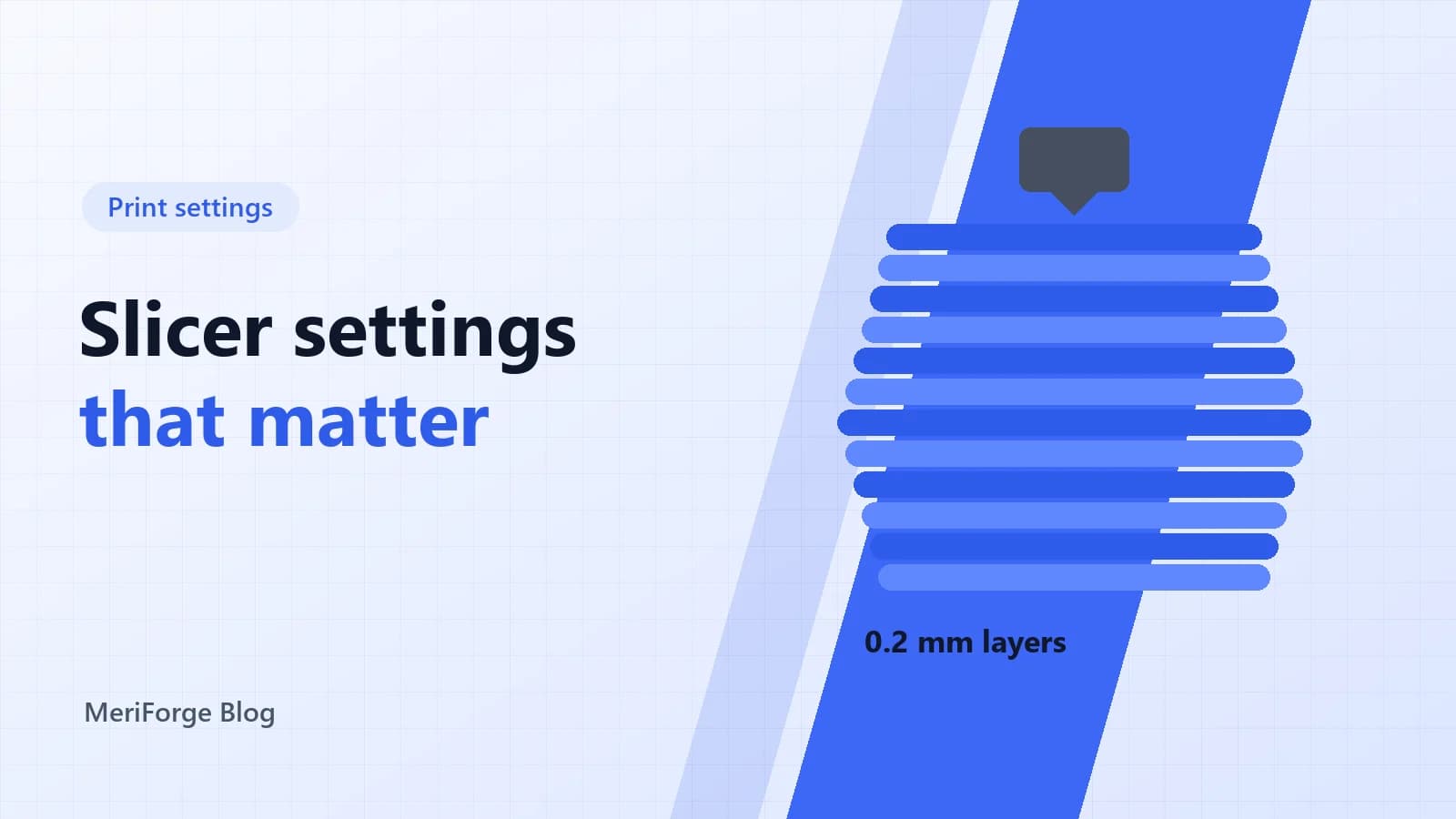
You do not need to understand all 400 slicer settings. These are the few that decide strength, quality and print time, and how to set them.
MBy MeriForge team
Holes, flipped normals, non-manifold edges and self-intersections explained, with free tools and simple steps to fix them.
MBy MeriForge team
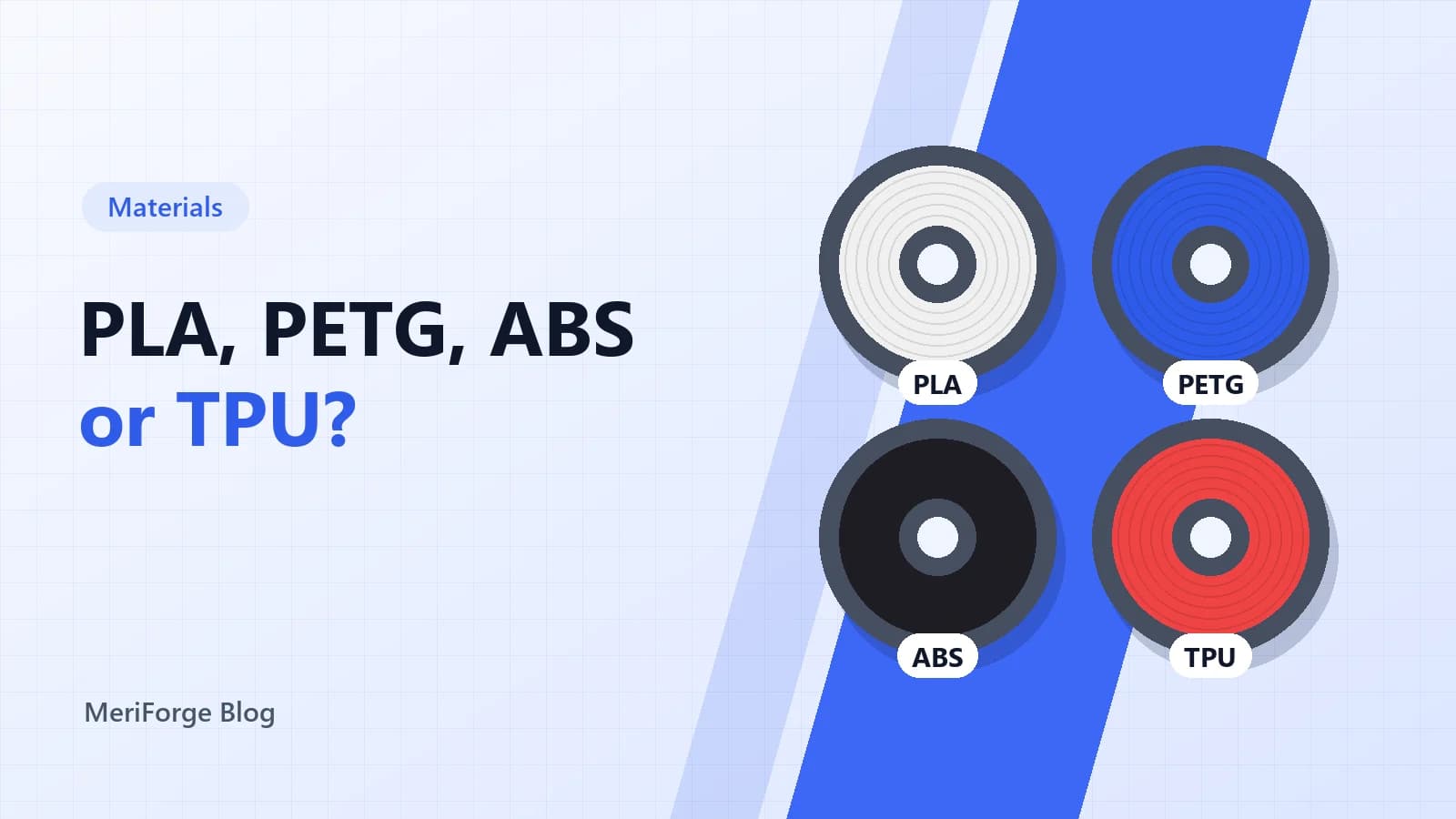
Strength, heat resistance, ease of printing and cost compared, so you can pick the right filament for brackets, enclosures, clips and gaskets.
MBy MeriForge team
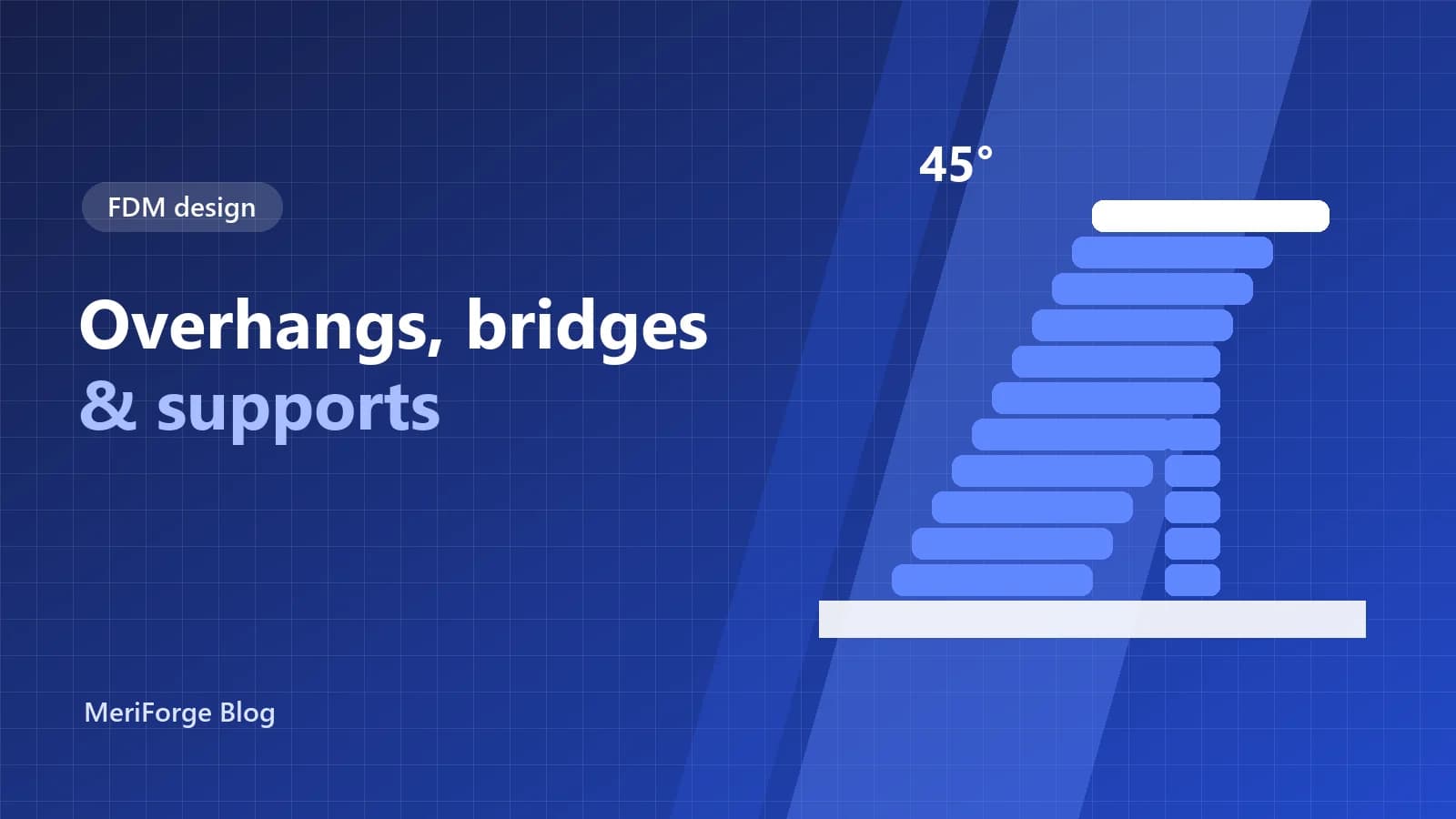
Understand what your printer can build in mid-air, and how to design parts that need less support, or none at all.
MBy MeriForge team
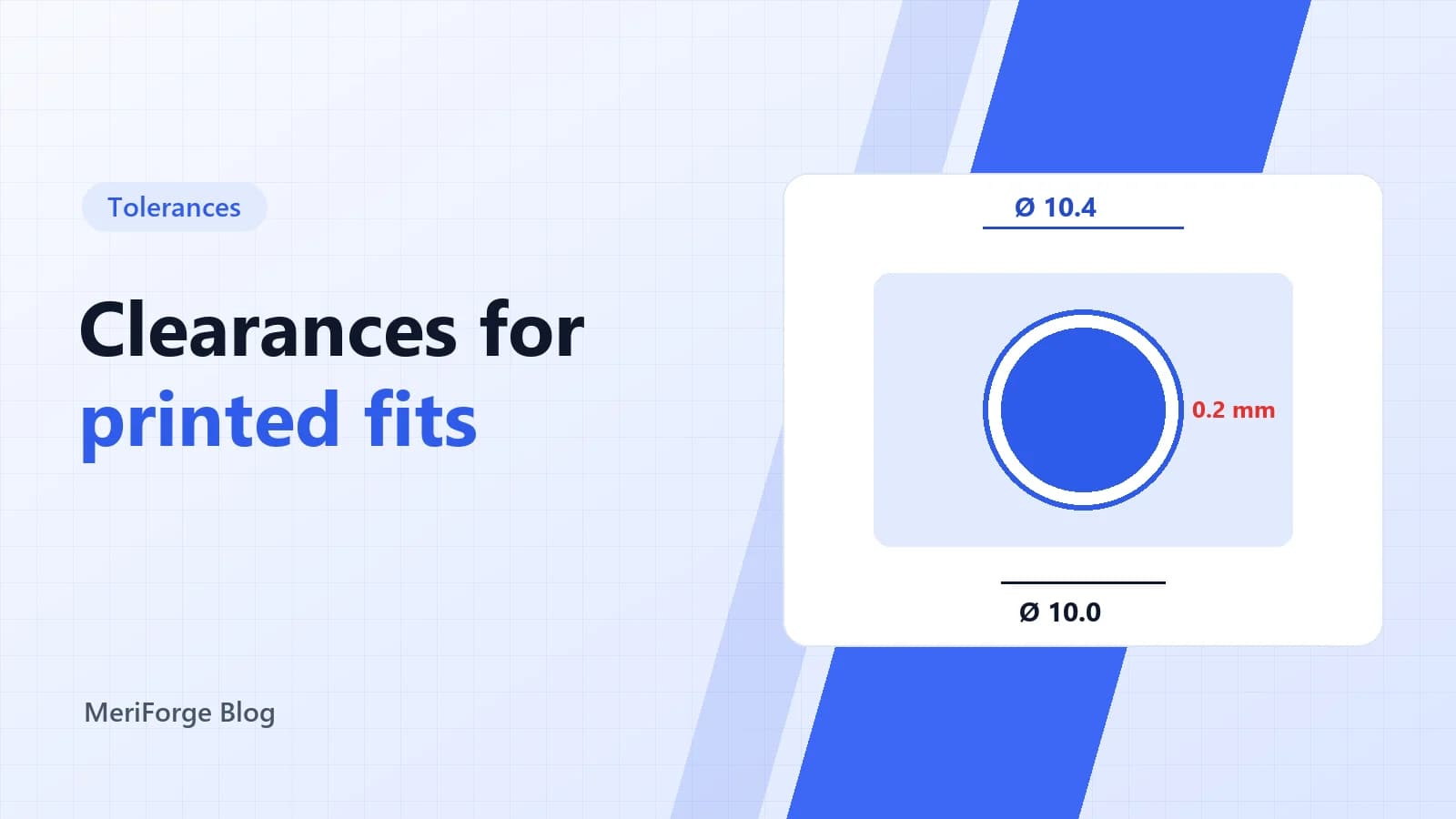
How much gap should two printed parts have? Practical clearance values, a simple calibration test, and why holes always print small.
MBy MeriForge team
Most failed prints are designed to fail. These ten practical rules for FDM parts save filament, time and frustration.
MBy MeriForge team